
Articles by Dr. Greg
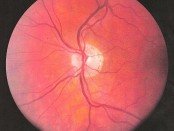

Diabetic Retinopathy – Causes, Symptoms, Treatment, Surgery

What is Diabetic Retinopathy? Diabetic retinopathy is a complication of diabetes mellitus (sugar diabetes) that affects the retina of the eye. This is the inner lining of the eyeball which is light sensitive and converts incoming light into electrical impulses. The signals then travel to the brain where it is deciphered >> Read More ...
Prostate Biopsy Procedure, Preparation, Anesthesia

Prostate biopsy is a procedure in which small tissue samples are taken from the prostate gland and is examined under a microscope for the presence of cancer. When is the biopsy done? A prostate biopsy is highly recommended in patients if the digital rectal examination (DRE) is abnormal, irrespective of PSA (prostate >> Read More ...
Causes and Treatment of Palmar Hyperhidrosis – Sweaty Palms/Hands
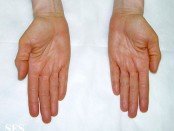
What is Palmar Hyperhidrosis? Sweaty palms, medical term palmar hyperhidrosis, refers to profuse perspiration (excessive sweating) of the palms. Palmar hyperhidrosis is one form of focal hyperhidrosis, meaning profuse perspiration affecting one area of the body. Sweaty palms may be accompanied by profuse perspiration of >> Read More ...
Causes of Bloating and Gas (Flatulence)
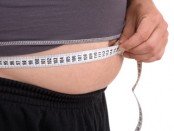
Bloating Bloating is a sensation of ‘fullness’ and tightness within the abdomen. It may be accompanied by swelling of the abdomen (distension). Bloating due to the build up of gas within the gastrointestinal tract will often be relieved by belching or flatulence. Bloating should be differentiated from angina pectoris >> Read More ...
Acrylic Nails Health Problems – Nail Fungi
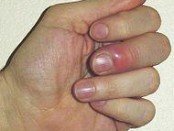
What are Acrylic Nails? Acrylic nails are a clear heat sensitive plastic often referred to as false nails. They cover most of the nail plate (refer to parts of the nail) and are fairly hardy and resistant to different environmental conditions. The term acrylic nails is now widely used to describe all manner of false nails >> Read More ...
Excessive Belching (Burping) and Bloating – Causes and Treatment

Belching is the expulsion of gas from the gut through the mouth (eructations). Bloating may occur due to gas trapped within the gastrointestinal tract and this is often relieved upon belching. Belching and bloating may be due to food, eating habits, or disorders in the stomach, small intestine or gallbladder. Bloating and >> Read More ...