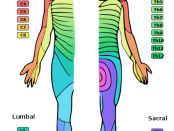
Like any part of the body, tingling or numbness in the arm can occur for several different reasons. It happens to all of us at some time or the other. Most of the time this numbness or tingling is temporary and will resolve after a short period of time. However, ongoing tingling or numbness needs to be investigated by a >> Read More ...
Abnormal sensations are known as paresthesias. It can include a host of sensations such as prickling, tingling or even burning. These sensations would not be considered abnormal if there are some stimuli, like an irritant on the skin surface or even mild tissue damage before pain occurs. However, when it occurs despite >> Read More ...
What Does Tingling, Numbness and Paresthesia Mean? Paresthesia (Greek para- = abnormal, esthesia = feeling) is abnormal sensation on the skin that has no apparent physical cause (1). Paresthesia includes numbness and tingling, and can be temporary or permanent. Numbness is a decreased or lost sensation in the >> Read More ...
Drug resistant microbes have become a major public health concern. Some microbes are not only resistant to older generation antibiotics due to overuse and incorrect use, but are now also showing resistance to new generation antibiotics. This has taken the form of extreme drug resistance and the term ‘superbug’ >> Read More ...
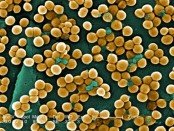
What Is a Superbug? Superbugs, also called Multi Drug Resistant (MDR) bacteria are resistant to several antibiotics. Not all superbugs necessary cause a severe infection, though. A common superbug is MRSA. What is MRSA? Methicillin Resistant Staphylococcus aureus (MRSA) is a strain (a genetic variant within the same >> Read More ...
There are numerous species of bacteria that naturally live on the skin surface. These bacteria are referred to as the normal skin flora, just as naturally occurring bowel bacteria are known as the normal intestinal flora. Some of these bacteria are relatively harmless but can undergo changes where it may become pathogenic. >> Read More ...
Staph Infection Symptoms Staph infection symptoms include various skin changes, symptoms of infected internal organs, and symptoms related to staph blood poisoning (sepsis). What is Staph? Staph infection is caused by the bacterium Staphylococcus aureus (staph for short) and rarely by S. epidermidis or other >> Read More ...
A number of different food products undergo a bleaching process for several reasons, such as enhancing the color of the food. In recent times there has been widespread debate about the saftey and potential health risks of bleaching foods. For example, white flour is known to undergo a stringent bleaching process to ensure >> Read More ...
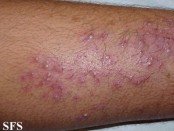
Staph Skin Infection Pictures Staph (pronounced staf) skin infection may appear as : a red bump or pus-filled blister (folliculitis) a boil (furuncle) infected cystic acne, hidradenitis suppurativa, pilonidal cyst a vesicle which may burst and crust over (impetigo) an erythema (cellulitis) a skin scalding >> Read More ...
What is Swimmer’s Ear? Swimmer’s ear is an inflammation of the outer earear canal and eventually the earlap, occurring in people who often have wet ears. It occurs mostly in children and teenagers who spend a lot of time in water, but also in persons who sweat a lot or have skin diseases. Symptoms of >> Read More ...