Cocaine and the Heart
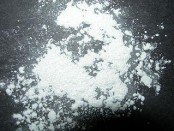
Cocaine is a potent illicit stimulant produced from the leaves of the coca plant. It is widely used in the powder form which is inhaled or in the chunky form which is smoked (crack cocaine). Cocaine is often mixed with other substances to ‘cut’ the pure drug, thereby diluting it. Sometimes these fillers or bulking agents are inert substances while at other time it can be toxic compounds.
Cocaine may also be mixed with other drugs like amphetamines, heroin and morphine for a more potent narcotic effect. Cocaine induces a sense of euphoria due to stimulating a massive release of brain hormones (neurotransmitters) like dopamine which acts on the pleasure and reward center in the brain. It also has a host of other effects on almost every organ and system in the body.
The heart is in constant action throughout life. Sometimes it pumps harder during physical activity and at other times slower when a person is at rest or asleep. The wall of the heart is made up of three layers and the thickest section is smooth muscle known as the myocardium. It has an extensive blood supply through the coronary arteries to ensure an adequate supply of oxygen and nutrients.
The heart has a natural pacemaker that initiates its own electrical impulses. These impulses propagate through the heart wall to ensure that the upper chambers receiving blood (atria) contract separately from the lower chambers (ventricles) that push blood out of the heart. Nerve impulses from the brain and different hormones can also speed up or slow down the heart rate in response to different conditions.
continue reading Cocaine-Induced Heart Problems