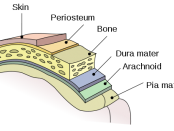
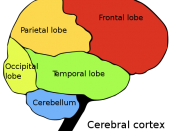
Definition A meningioma is an abnormal growth (tumor) that arises from the protective lining around the brain and spinal cord, the meninges. These tumors can be benign (non-cancerous) or malignant (cancerous) with some being atypical where it is neither cancerous nor non-cancerous. The vast majority of meningiomas are >> Read More ...
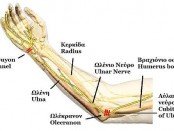
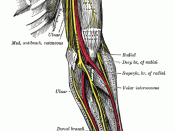
What is cubital tunnel syndrome? Cubital tunnel syndrome is a condition where one of the main nerves of the arm, the ulnar nerve, becomes compressed or irritated at the point of the elbow. The ulnar nerve is a long nerve that can be damaged or diseased in any number of ways, broadly referred to as ulnar neuropathy, but >> Read More ...
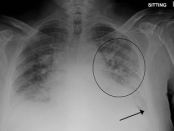
What is neurogenic pulmonary edema? Neurogenic pulmonary edema is a condition where fluid accumulates in the lungs after an injury to the brain, spinal cord and surrounding structures of the central nervous system. It can lead to serious and life threatening complications, and may even increase the risk of pulmonary >> Read More ...
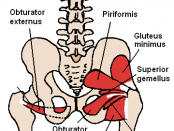
What is piriformis syndrome? Piriformis syndrome is a rare condition characterized by pain, instability, tingling and numbness in the lower back, buttocks, lower thighs and the calves. It arises due to the irritation or compression of the sciatic nerve by the piriformis muscle during running or sitting. The longest and >> Read More ...
What is Pick disease? Pick disease is a rare neurodegenerative disease that causes dementia or memory loss in patients. In a neurodegenerative disease, nerve cells (neurons) in the brain die and this results in irreversible damage. Pick disease results in aphasia (impaired ability to speak) and behavioral changes. This >> Read More ...
What is Ulnar Neuropathy? Ulnar neuropathy refers to the condition in which one of the nerves in the forearm, known as the ulnar nerve, gets trapped or pinched. Pressure is applied on a nerve resulting in symptoms like pain, tingling, and numbness in parts of the forearm and hand. The term ulnar neuritis is often used >> Read More ...
What is Meralgia Paresthetica? Meralgia paresthetica refers to unusual sensations, particularly a burning pain or numbness, in the lateral part (outer side) of the thigh due to pressure on the lateral femoral cutaneous nerve (LFCN). In some cases, trauma, stretch injury and impaired circulation to the thigh may also >> Read More ...
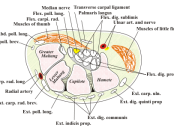
Carpal Tunnel Syndrome Definition Carpal tunnel syndrome is a condition where there is a tingling pain, numbness, and weakness of the thumb, index, and the middle fingers caused by irritation of the median nerve. It is a common condition in this day and age of excessive computer use and video gaming. The median nerve >> Read More ...
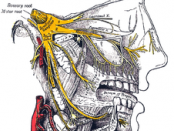
What is Trigeminal Neuralgia? Trigeminal neuralgia is defined as a painful condition involving irritation and inflammation of the trigeminal nerve. Trigeminal nerve carries sensation from the face to the brain. Trigeminal neuralgia, also called tic douloureux, causes unbearable facial pain on one side. Even the mildest >> Read More ...
Neurosarcoidosis Definition Sarcoidosis is a condition where the inflammatory cells of the body are active and grouping together as if is there is an infection despite the absence of any microbe. It is essentially a condition where the inflammatory response, that is intended to protect the body from injury, is active >> Read More ...