
Acid Reflux (Sudden, Acute) Causes, Symptoms, Treatment
What is acid reflux?
Acid reflux is the backward flow of the acidic stomach contents (food + acid + other secretions) up into the esophagus. It is not uncommon for every healthy person to experience acid reflux occasionally but in certain cases, this retrograde flow may become persistent or recurrent. Prolonged exposure to the stomach acid irritates or damages the lining of the esophagus (esophagitis) and may even cause open sores known as esophageal ulcers.
Most of us experience acid reflux occasionally. We know this condition by the typical burning chest pain known as heartburn. It often tends to occur after a meal. Nausea, loss of appetite and excessive belching are some of the other symptoms that also occur. Acid reflux is one of the most common digestive complaints but can be easily remedied with a combination of diet and lifestyle changes as well as various medication.
What is silent acid reflux?
Silent acid reflux is an asymptomatic form of acid reflux. This means that the characteristic heartburn is not present and some people may not even experience associated symptoms like nausea. Instead vague symptoms like a morning sore throat or disturbed sleep may occur but is not immediately attributed to acid reflux. However, complications like esophageal ulcers may still occur with silent acid reflux.
Why does acid reflux happen?
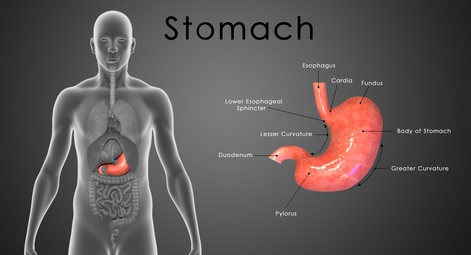
The passage of contents between the stomach and esophagus is regulated by the lower esophageal sphincter (LES). It is a thickening of the muscular esophageal wall that remains contracted tonically to prevent reflux. The LES is further supported by the muscles of the diaphragm. During swallowing , the muscles relax and the sphincter opens thereby allowing food and drink to pass from the esophagus into the stomach. Retrograde flow is prevented by the sphincter’s ability to remain contracted at a pressure that can withstand the forceful stomach contractions during digestion.
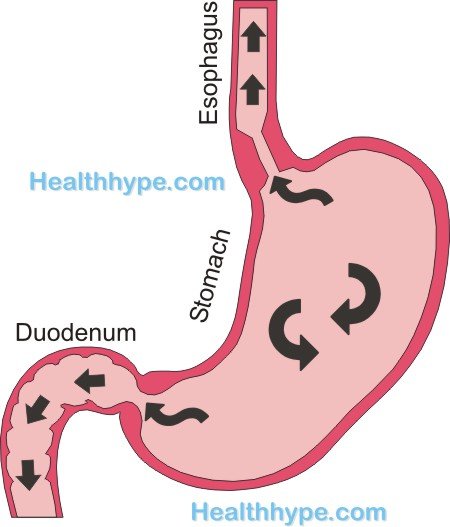
As illustrated in the diagram above, stomach acid is constantly churned with food in the stomach. This is essential for chemical digestion. The strong muscle contractions also physically breaks up food in the stomach (mechanical digestion). This creates significant pressure within the stomach.
Eventually small amounts of the stomach chyme passes through the pyloric sphincter into the duodenum. However if the lower esophageal sphincter is compromised or the pressure within the stomach is greater than that caused by the muscle contraction of the sphincter, then the stomach acid will pass up into the esophagus.
Acid in the Esophagus
The stomach is developed to withstand the effects of gastric acid by secreting a mucus layer which acts as a buffer between the acid and the stomach lining. The duodenum (first part of the small intestine) also has mechanisms to handle the incoming acidic gastric contents.
The pancreas secretes bicarbonate ions and water which neutralize the acidic chyme in the duodenum plus secretin, a digestive hormone, decreases the secretion of acid in the stomach as well as slowing stomach emptying. The esophagus however, is not as competent in dealing with stomach acid. In the odd case of acid reflux, peristaltic waves (esophageal motility) will quickly push the acidic contents back into the stomach.
Large amounts of alkaline saliva may be secreted which is then swallowed and neutralizes any remnants of stomach acid in the esophagus. These measures were not specifically developed in the human body just to deal with stomach acid. However, the body’s ability to compensate for any irregularity in the short term means that most cases of the odd acid reflux incident will not cause damage to the esophagus or lead to symptoms.
Is acid reflux the same as GERD?
Acid reflux occurs sporadically in a healthy person, like with overeating or alcohol consumption. This acute reflux is a result of temporary weakening of the lower esophageal sphincter (LES). The alimentary tract has means of dealing with small amounts of stomach acid that occasionally enters the esophagus. However, the LES returns to its normal functional state after a few hours or days once the causative factor is removed.
GERD is a more severe and chronic form of acid reflux known as gastroesophageal reflux disease. The LES is permanently weakened to some extent. Overeating, alcohol and other factors may further weaken it temporarily but the LES never returns to a fully normal state. GERD requires medical treatment. Acute acid reflux passes with no treatment.
It is not uncommon for the terms acid reflux and GERD to be used interchangeably. Both refer to gastric contents rising up into the esophagus. However the causes, severity of symptoms, and treatment may differ and there is a host of even potentially life threatening complications associated with GERD like aspiration pneumonia. There is no standardized definition for gastroesophageal reflux disease (GERD) / gastro-oesophageal reflux disease (GORD.)
A broad definition for GERD is recurrent reflux that causes clinically significant symptoms, with or without esophagitis and is associated with a higher risk of complications like esophageal ulcers, Barrett’s esophagus or reflux-induced adenocarcinoma.
Causes of Acid Reflux
Most cases of acute acid reflux occurs due to increased volume of the stomach contents, slow gastric emptying or reduced tonicity of the lower esophageal sphincter (LES). This may occur as a result of :
- overeating
- consuming carbonated beverages with food
- alcohol consumption
- exercising after eating
- hanging upside down (inversion) after eating
Other factors that contribute to excessive belching may also the odd episode of cause acid reflux.
In these situations, acid reflux may affect any person of any age. Often the odd episode of acid reflux occurs for no known reason. The situations above may exacerbate the symptoms of GERD. It is imperative not to pass off gastroesophageal reflux disease as acute attacks of acid reflux and settle for temporary OTC (over-the-counter) measures. With GERD, further investigation is needed as the cause of the reflux may be due to severe pathology and there are a host of complications that may arise.
Signs and Symptoms of Acid Reflux
The symptoms associated with acid reflux may go by unnoticed (asymptomatic) and due to the self limiting nature of acute reflux, it is not of concern. It is sometimes just passed off as indigestion. At other times, acute reflux may present with mild or severe symptoms.
- Heartburn (burning chest pain)
- Regurgitation (not vomiting)
- Water brash (sudden collection of a large volume of saliva in the mouth)
- Throat irritation (burning, itching, tickling, pain) which may elicit a cough
- Nausea
- Excessive belching
- Stomach bloating – sensation of fullness or pressure in the abdomen
It is not uncommon for some of these acid reflux symptoms to be mistaken for cardiac symptoms. Acute acid reflux is the most common reason for ER visits for chest pain. The differences are outlined in Cardiac vs Non-Cardiac Chest Pain.
Treatment of Acid Reflux
Antacids are usually sufficient to provide temporary symptomatic relief. The condition will pass on its own with nor further treatment required. Patients often report symptomatic relief by standing erect or sitting upright, walking or correcting the posture (in a person who slouches). Milk may provide symptomatic relief as it acts as an alkali however this should not be used as a means of counteracting acid reflux.
Other medication like acid suppressing drugs (proton pump inhibitors and H2-blockers) or drugs that speed up stomach emptying (prokinetic drugs) are not necessary. However, in GERD, these drugs are essential for the treatment and management of the conditions.
Last updated on August 10, 2018.


