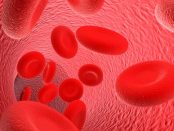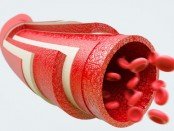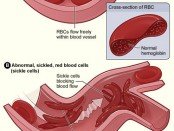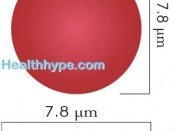
Blood iron disorders involve either the excess, deficiency or abnormal utilization of iron in the blood. In most cases this affects the blood and tissue oxygenation as the red blood cells are responsible for gas exchange between the blood and environment.
Red blood cells contain an iron-protein (metalloprotein) compound called hemoglobin. Hemoglobin binds to oxygen or carbon dioxide and transports it through the blood, carrying oxygen from the lungs to the tissues and carbon dioxide from the tissues to the lungs to be expelled in the environment. This process is essential for normal life processes. Red blood cells are constantly destroyed by the body and breakdown products are excreted in the stool. Simultaneously, the body produces new red blood cells on a constant basis to ensure a balance between and loss and new red blood cells.
continue reading Blood Iron Levels – High, Abnormal, Low Iron in the Blood

To feel exhaust, light headed and lack of energy without any particular reason may be the signs of Anemia in some patients. Similarly, paleness around the eyes and gums, short of breath and anxiety are some other symptoms of the disease. Anemia is a medical condition that occurs because of Iron deficiency in the blood. Deficiency of vitamin B12, copper and folic acid in the body system may cause Anemia as well. Anemia can be very dangerous if it is not controlled properly.