current health articles
  • Home
  • health-a-to-z
  • About Us
  • Privacy Policy
  • Terms of Use

Chronic Constipation in Children – Cause, Symptoms, Remedies

Written by Jan Modric   

Symptoms of Constipation in Children

A child is considered constipated when having a bowel movements with difficulty or less than three times a week. Having hard and dry stool, or having a bowel movement every other day and without difficulty is not already considered constipation.

Constipation is called chronic when it lasts for more than two weeks.

An infant is considered constipated when straining at defecation and having less than one bowel movement in a week..

Symptoms of constipation may include:

  • No bowel movements for several days
  • Hard and dry pebbly stool that is hard to pass, bright red blood on the surface of the stool
  • Poor appetite, nausea
  • Abdominal pain or bloating
  • Tiredness


continue reading Chronic Constipation in Children – Cause, Symptoms, Remedies

Constipation During Pregnancy – Causes and Relief

Written by Jan Modric   

Constipation May Occur in Early or Late Pregnancy

Constipation means difficulty defecation or having a bowel movement less than three times a week. Constipation may occur at any time during pregnancy; main causes include: 

  1. Hormone progesterone slows down bowel contractions and hence the passage of the stool.
  2. The pressure of the growing uterus may partially obstruct the bowel.
  3. Stress and worries may contribute to constipation.
  4. Weakened pelvic floor muscles.
  5. Oral iron supplements may irritate the bowel and aggravate constipation.
  6. Causes of constipation after delivery include: anesthetics, tiredness, inactivity, perianal tears.
  7. Other causes of constipation include skipping meals, insufficient drinking, anal fissure, certain diseases and medications.


continue reading Constipation During Pregnancy – Causes and Relief

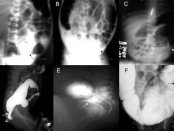
Colon and Constipation

Written by Jan Modric   

Colonic Conditions That May Cause Constipation

1. Diverticular disease (diverticulosis) is a condition with pouches (diverticles) in the colonic wall, usually caused by repeating straining at defecation. Diverticles are often in lower part of the descending colon (in left lower abdomen), but may occur in any part of the colon. Symptoms may include:

  • Often there is no symptoms
  • Constipation
  • Lower left abdomen my be bloated and tender to touch
  • Headache
  • Left lower abdominal pain, fever and diarrhea when diverticles become inflamed (diverticulitis)

In severe chronic constipation, surgical removal of the affected part of the colon may be needed.


continue reading Colon and Constipation

Opiate Addiction, Overdose, Side Effects, Withdrawal Symptoms

Written by Jan Modric   

What Are Opiates?

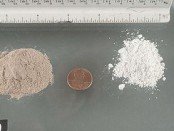
Opiates are strong narcotic (sleep inducing) painkillers extracted or synthesized from opium. They are available only by prescription and are illegal for non-medical use, since they are highly addictive and may have dangerous side effects.

Opiates belong to a broader group of substances – opioids that can bind to opioid receptors in the body.

Opiate drugs may be natural or semi-synthetic.

NATURAL OPIATES

Natural opiates include opium, morphine and codeine.

Opium

Medical Use of Opium


continue reading Opiate Addiction, Overdose, Side Effects, Withdrawal Symptoms

Ecstasy (MDMA) Abuse, Addiction, Side Effects, Dangers

Written by Jan Modric   

What Is Ecstasy?

Ecstasy is a semi-synthetic drug that acts as a stimulant of the central nervous system. It can be derived from the oil of the sassafras tree. Chemically, it is 3,4-methylenedioksy-methamphetamine (MDMA). Ecstasy is chemically related to amphetamine (a legal drug that increases alertness) and methamphetamine (meth, an illegal drug).

Ecstasy is illegal to posses or deal in most countries. The Drug Enforcement Administration (DEA) in US, categorize it as a Schedule I drug (has a high potential of abuse, is not legal even for medical use).

Ecstasy Forms and Use

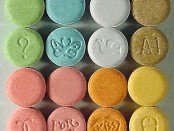
Ecstasy Pills (Tablets)

A common form of ecstasy are small, round tablets of various colors and with various logos on them. Tablets usually contain 20-90 mg MDMA hydrochloride (2), which is often diluted (cut) with other substances, like caffeine or lactose, or drugs, like amphetamine (speed), ephedrine or ketamine (4). Tablets are intended for ingesting; in this form they are commonly used in disco clubs and rave parties. They have bitter taste. Some users insert the pill in the anus (this is called shafting), from where it is absorbed into the blood.


continue reading Ecstasy (MDMA) Abuse, Addiction, Side Effects, Dangers

12345»102030...Last »

Top Health Articles

Causes of Left Side Abdominal (Stomach) Pain
Left side abdominal pain
Leg Numbness, Tingling Feet and Toes
Leg numbness
Causes of Right Side Abdominal (Stomach) Pain
Right side abdominal pain
Arm Numbness, Tingling Hands and Fingers
Numbness in arm
Human Intestinal Parasites - Symptoms and Treatment
Intestinal parasites
Itchy Scalp - Pictures, Causes and Treatment
Itchy Scalp
Excessive Belching, Burping and Bloating - Causes and Treatment
Excessive burping

Featured Medical Pictures

  • Folliculitis Pictures
  • Skin Cancer Pictures

Featured Health Articles

  • Staph Skin Infections
  • Itchy Legs
  • Skin Rashes
  • Head and Face Numbness

Connect with Us


  •  

  • Home
  • health-a-to-z
  • About Us
  • Privacy Policy
  • Terms of Use
  • rss
  • Find us on Google+
©2006-2013 Healthhype.com. All Rights Reserved.