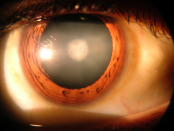
Cataract surgery involves removal of the cloudy lens and replacing it with an artificial lens. Not all cataract cases require surgery. However, surgery is the only effective treatment option in advanced cataract causing problems with routine activities such as driving, reading, cooking, watching television, and so on. >> Read More ...
The lens of the eye needs to be clear so that light can pass through it uninhibited and cast an image on the back of the eye (retina). Clouding or opacification of the lens of the eye, which is clear under normal circumstances, is known as a cataract. This usually develops over a long time, impairing vision and may >> Read More ...
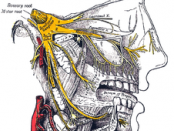
Neuritis is the term for inflammation of the nerve. It may be due to a number of causes including mechanical trauma, chemical injury, nutritional deficiencies, infections, inherited disorders and systemic diseases. Inflammation of a sensory nerves may present with numbness, tingling, abnormal sensations or pain. When the >> Read More ...
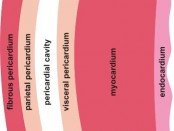
Pericardial effusion is an accumulation of excessive fluid in the space surrounding the heart (pericardial space). It can result from a wide variety of causes and may be present in association with almost all types of pericardial diseases. It is usually seen in inflammatory or infective conditions of the pericardium >> Read More ...
What is Vacuum Extraction or Ventouse Delivery? Vacuum extraction or ventouse delivery is a procedure where an instrument known as the vacuum extractor or ventouse is used to assist and speed up delivery. A suction cap is applied to the baby’s head and gentle intermittent traction is given simultaneously with the >> Read More ...
What is Forceps Delivery? Forceps delivery is a form of assisted delivery or operative delivery where active measures are taken to accomplish vaginal delivery by means of an instrument known as the obstetric forceps. Simply, the forceps are used to help with the delivery of the baby through the vagina. This form of >> Read More ...
Risks and Complications of Cesarean Section There are certain risks associated with a cesarean section which have to be kept in mind. This includes risks to the mother and risks to the baby. Risks to Mother There are more chances of complications following childbirth in case of cesarean section delivery than in vaginal >> Read More ...
An abscess in the abdomen (intra-abdominal abscess) is diagnosed by correlating findings on imaging studies with the signs and symptoms present. Read more on symptoms of intra-abdominal abscesses. Other laboratory findings will further confirm the diagnosis. Laboratory Tests Blood tests may reveal : raised white blood cell >> Read More ...
The focus on treatment of cervical cancer is to prevent precancerous lesions progressing to invasive cancer. Following an abnormal Pap smear and if the biopsy shows normal cells even in the deeper layers, no further treatment is advised except regular Pap tests and close monitoring. Pre-cancerous lesions seen in the deeper >> Read More ...
Diagnosis of Uterine Cancer Clinical History As with most conditions, diagnosis of uterine cancer starts with a thorough clinical history. A doctor will ask detailed questions about the symptoms, especially the abnormal vaginal bleeding. Other information that will be relevant includes menstrual history, number of >> Read More ...