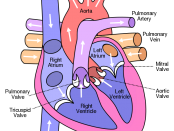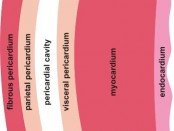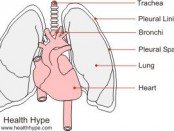
A heart attack (myocardial infarction) is death of a portion of the muscular heart wall as a result of severely reduced blood supply. It is most commonly due to a blockage in the coronary artery which supplies oxygen-rich blood to the heart wall. An occlusion that causes injury but not death to the heart wall over a period of time is known as ischemic heart disease (IHD). With a myocardial infarction, the already occluded coronary artery is suddenly blocked almost completely most often by the formation of a blood clot at the site of the narrowing. Severe pain arises which is not relived by rest or nitrates as is used for the relief of angina. There are prominent ST changes in the ECG and the incident is more accurately described as ST elevation myocardial infarction (STEMI). Other indicators may include significantly elevated cardiac markers (enzymes) of ischemia which can be found in the blood
continue reading Heart Attack Medication, Drugs to Treat a Myocardial Infarction