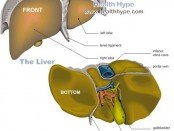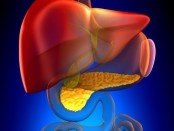
Liver is the largest internal organ in the body. It is also considered the biggest gland. Liver plays a vital role in metabolism and many other functions like glucose storage as glycogen, protein synthesis and detoxification of drugs, toxins and waste products from metabolism. Bile which plays a vital role in digestion is also produced by the liver. Many other high-volume biochemical reactions are also performed and regulated by it. “Hepar” is the Greek word for liver and many medical terms that start with hepato or hepatic are related to liver.
What is liver disease?
Any such disease as affects liver and its function is considered a liver disease. Liver disease often causes serious complications like jaundice, fluid retention, liver failure etc. Cirrhosis, hepatitis, fatty liver and some liver cancers are other types of liver diseases.
The real causes behind some types of liver diseases, particularly, those which present at the time of birth are not known. Some other kinds like hemochromatosis are because of inherited genes from parents. Hepatitis C and alcoholism are some common causes of cirrhosis in the United States.
continue reading Liver, Liver diseases, some signs, symptoms and treatment