
Stomach Discomfort Causes and Symptoms
Stomach pain is a sensation that we all experience every now and then. However, pain is not the only uncomfortable sensation that we may experience in the stomach region. Sometimes a sensation is not overt pain or even an ache and we refer to it as discomfort. This can apply to any part of the body, including the stomach, which is part of the upper digestive tract.
Most of us have experienced various sensations in the stomach region. Sometimes it may be from the stomach itself while other times it is in the region of the stomach (upper right area of the abdomen). Furthermore many people refer to the abdomen as the stomach. These different sensations may actually be abdominal discomfort rather than from the stomach specifically.
Stomach discomfort may vary. Sometimes it is just mild discomfort or a minor stomach ache, while at other times, it can intensify to the point of severe gastric pain. Diagnosing the cause of stomach discomfort depends on how often it occurs, whether it is intermittent or persistent, trigger factors, and concomitant signs and symptoms like nausea, vomiting, regurgitation, belching, bloating and even changes in bowel movement.

Causes of Stomach Discomfort
When the stomach (organ) is affected then the discomfort tends to worsen after eating. This applies for most stomach conditions although there are cases where eating can provide short term relief. Whether there is worsening or easing of discomfort, there is almost always some relation to eating. Certain foods and drinks may have more of an effect than others. Always consult with a medical professional for an exact diagnosis.
Acid Reflux
Mostly known for causing heartburn, acid reflux is where the stomach juices (acid and enzymes) flow backward into the esophagus (food pipe). It can occur with overeating, consuming alcohol, exercising after eating or lying flat after a heavy meal. Apart from heartburn, other symptoms of acid reflux may include nausea, regurgitation and loss of appetite. Upper stomach discomfort may sometimes be reported.
Gastritis
Gastritis is a common cause of stomach discomfort and pain. This inflammation of the stomach wall is mainly caused by H.pylori infection and the excessive use of NSAIDs. The discomfort is often described as a gnawing ache to a burning pain. Nausea, belching and changes in appetite are often reported. It is not uncommon to find symptoms worsen when hungry or if the stomach is empty.
Peptic Ulcers
Another common cause of stomach discomfort is peptic ulcer disease. This is where open sores form in the lining of the stomach and/or duodenum (small intestine). Peptic ulcers occur for the same reasons as gastritis, namely H.pylori infection or the excessive use of certain drugs. The discomfort or pain tends to be worse than gastritis and is often reported in the upper abdomen, either in the middle or towards the left side.
Hiatal Hernia
A hiatal hernia is a less common stomach condition that may present with discomfort and pain. In this condition the upper portion of the stomach slides into the chest cavity through the opening in the diaphragm. This “pinches” the stomach. It causes discomfort or pain in the upper middle abdominal region along with other symptoms like nausea, heartburn, belching or a bloated sensation. Sometimes the discomfort may be worse during inhalation.
Gastric Outlet Obstruction
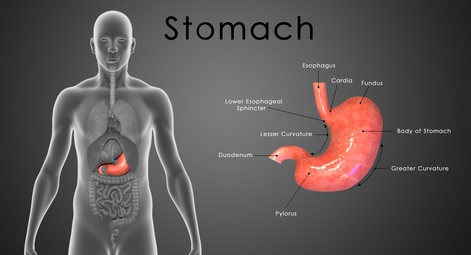
Discomfort or pain may be felt in the stomach when the contents cannot empty out. There are many reasons for gastric outlet obstruction. Growths like stomach polyps, narrowing due to tissue thickening and muscle or nerve disorders can affect the food, acid and enzymes from exiting through the end portion of the stomach (pylorus). Apart from discomfort, there is a bloated sensation, nausea, loss of appetite and regurgitation or vomiting.
Crohn’s Disease
The stomach may be affected by a certain type of inflammatory bowel disease (IBD) known as Crohn’s disease. This causes inflammation of the stomach wall. It can be mistaken for gastritis due to other causes like H.pylori infection or excessive medication use. Apart from discomfort or pain, the symptoms of Crohn’s disease are similar to gastritis, such as nausea. Crohn’s disease is a chronic condition and has to be managed long term.
Other Stomach Causes
- Stomach cancer: Discomfort or pain can occur tumors, particularly malignant tumors (cancer). This should be suspected if there is vomiting up of blood or unintentional weight loss.
- Stomach gas: Accumulation of gas in the stomach is not uncommon. Most of the time this is swallowed air. If it is not released with belching then it can cause discomfort.
- Stomach perforation: A tear in the stomach wall is an uncommon condition. It can occur with a deep ulcer or injury to the abdomen. Usually the pain is severe.
Non-Stomach Causes
Pain the upper middle and left abdominal region (stomach region) does not always emanate from the stomach itself. Despite the abdomen being incorrectly referred to as the stomach, pain in this region can also be due to one or more of the following causes.
- Abdominal wall conditios like injury, muscle strain or hernias can cause discomfort in any part of the abdomen. The discomfort is usually superficial with tenderness in the area.
- Gallstones are hard masses that form from bile. These stones can occur in the gallbladder or bile ducts. Pain may also be referred to the shoulder region.
- Pancreatitis is inflammation of the pancreas. It is often associated with excessive alcohol consumption. Pain may also radiate to the back.
- Inflammatory bowel disease (IBD) may also affect the transverse colon (large intestine) that lies in the upper abdominal region.
- Constipation is the infrequent passage of hard stool. It can cause discomfort anywhere in the abdomen which is often relieved with a bowel movement..
- Kidney disorders like stones and infections involving the left kidney can cause pain towards the left flank or back.
- Spleen injury or disorders can also cause pain in the left flank. It lies next to the stomach and may be mistaken for stomach pain.
- Psychogenic pain or discomfort may occur with psychological stress or anxiety. It is sometimes also described as ‘butterflies in the stomach’.


